Decolonization in Action

Last weekend, I launched “Decolonization in Action” a podcast series that I co-created. The podcast interrogates decolonization in the arts, sciences, and beyond. While calls for decolonizing science, education, and museums are becoming more prominent, knowledge practices of western academia and of present-day colonizing nation states remain largely unchanged. In conversation with historians, activists, artists, and curators, this podcast aims to unravel how decolonization is understood, and most importantly to give attention to how decolonization is being practiced today.
Logo designed by Nina Prader.

Logo designed by Nina Prader.

In our first episode, we interiewed Dr. Noa Ha and Prof. Dr. Tahani Nadim to discuss the relationship between German colonial history and Berlin—the metropole of that colonial past. We focus on Berlin’s street names and the Natural History Museum as spaces of remembrance and resistance. In this episode we ask ourselves, in what ways does colonialism continue to shape Berlin institutions and the city of Berlin itself? You can also find the podcast on Spotify at here.

Special thanks to Gina Grzimek, Stephanie Hood, Anja Krieger, Nina Prader, Dr. Lisa Onaga, Prof. Dr. Dagmar Schäfer, Karin Weninger, and Danyang Zhang.

Also, be sure to check out the following resources in Berlin:

Anticolonial Month in Berlin
Berlin als postkoloniale Stadt kartieren
Berlin Postkolonial
Critical Ethnic Studies Association
Dead Wasps Fly Further, Museum für Naturkunde, Berlin
Initiative Schwarze Menschen in Deutschland Bund e.V.
korientation. Netzwerk für asiatisch-deutsche Perspektiven e.V.
Migrationsrat Berlin e.V.
Reparative Archaeology

IMG_2979.jpg

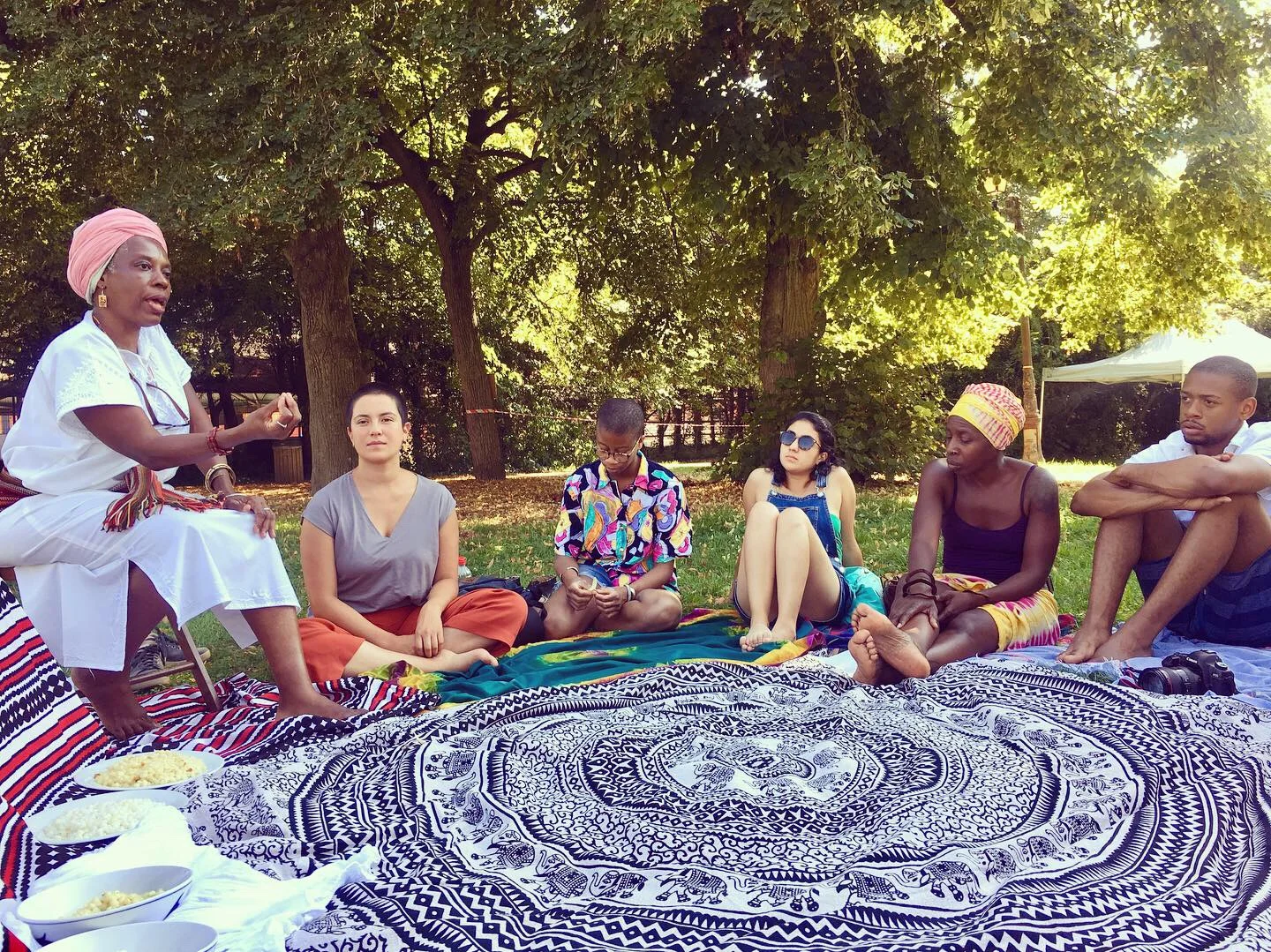
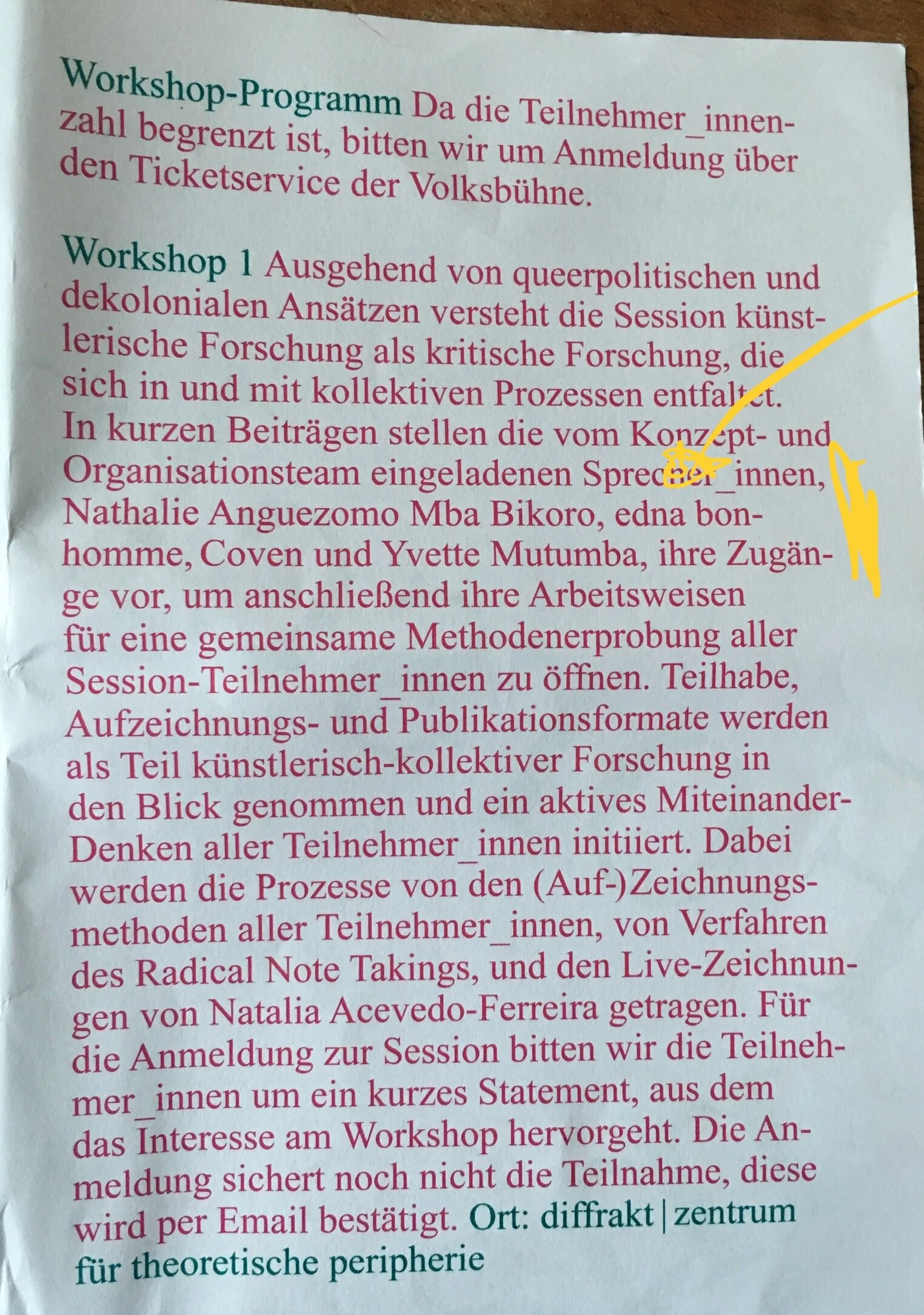
I took part in a two-day symposium on reparative archeology with Coven Collective as part of the Forschungamaschine (organized by the Society for Artistic Tesearch and the German Society for Aesthetics).

The workshop interrogates Archives, hierarchies of power in the arts, the politics of care, and imagination. I gave a talk that looked at mapped enslaved narratives, herbal archives, and Black musical joy (Haitian Rafa music). After the talk, we broke out into coven-led workshops on homonationalism and transgender herbal healing. We exercised radical care by collectively making soup joumou, plantains and pikliz. This was a space for co-learning, and creative growth.

02e3f2d1-4b75-4c9c-87d3-b4f42ada83bc.jpg

Reimagining Pan-Africanism in Berlin

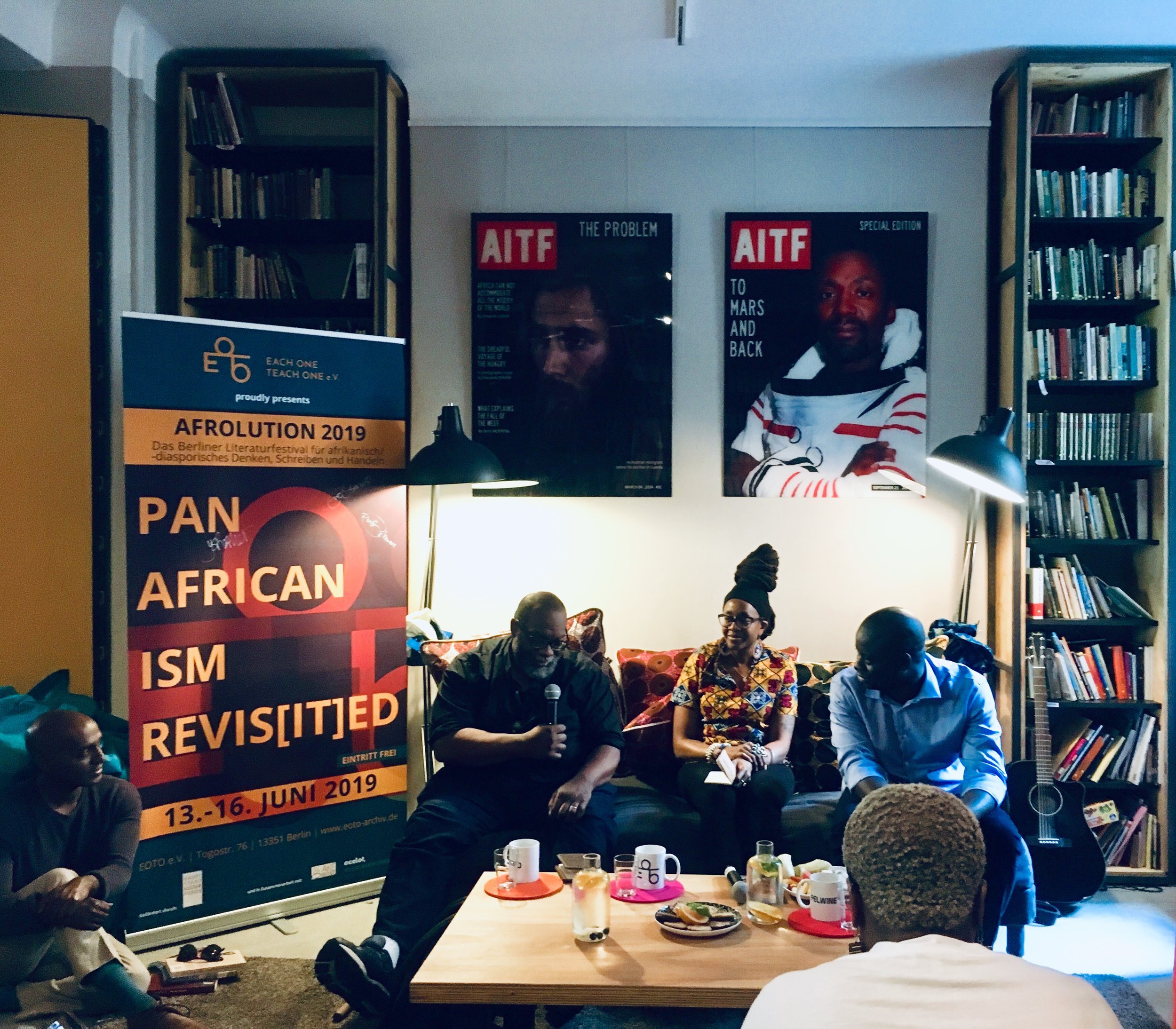
Yesterday, I did my best to listen to my African diaspora brethren and elders during the Afrolution 2019 festival in Berlin which was hosted by Each One Teach One (EOTO). This is a Berlin African diaspora literature festival which invites layers of the diaspora to think, write, and convene. This year theme was “Pan Africanism Revisited” which tried to imagine Pan-Africanism beyond the political sphere but as a cultural and social form of practice. Poets, science fiction writers, theorists, toddlers, the elderly, and everyday Black folks gathered to share and learn from each other. Not just on the level of discourse but on level of seeing each other through an emphatic lens. Upon entering various programs of this festival I pushed myself to wonder: What do we members of the African diaspora owe each other? How can we learn each other’s histories? What languages have been gained and lost? What does utopia mean to us?

I could not answer these questions fully and perhaps they never will be answered. However, what I found was a space and a growing community of people who are unlearning and learning the histories that have been withheld from us, the histories that are brutal and shocking and the traumas that are allowed to reign unchecked in European Cities.

IMG_9788.JPG

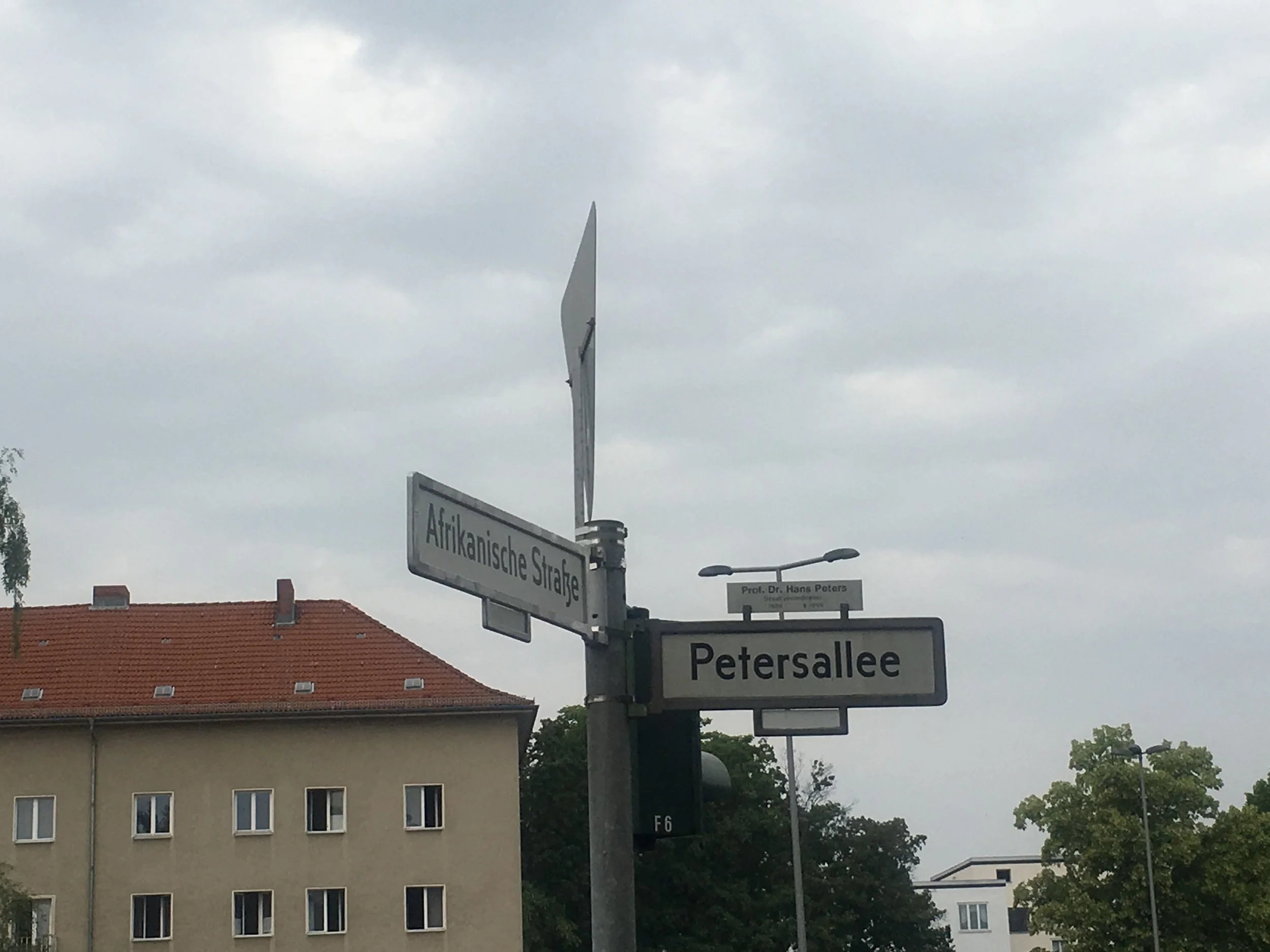
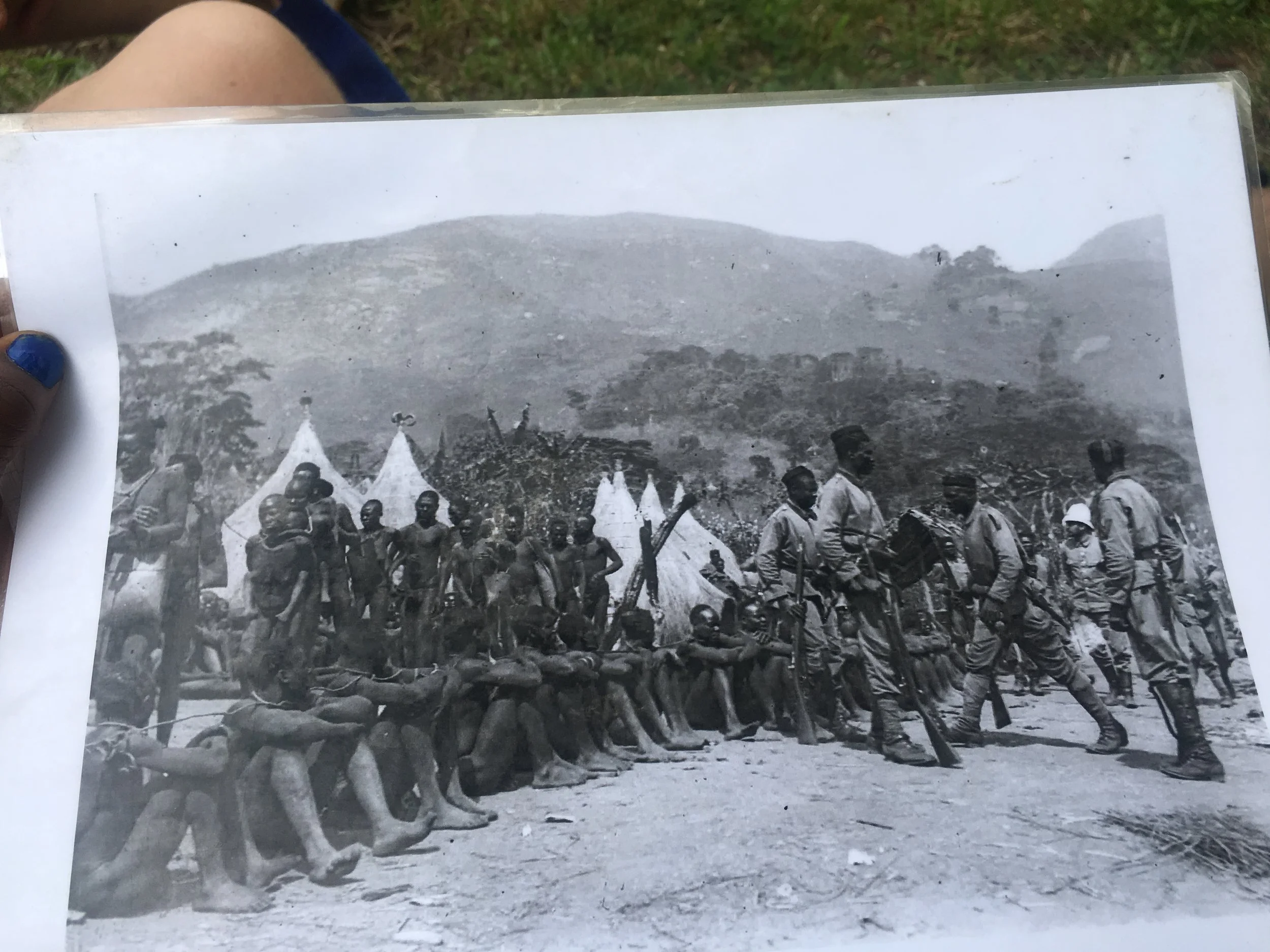
I went on a Postcolonial walking tour in the “African quarter” of Berlin which is located in the neighborhood of Wedding hosted by Berlin Postkolonial, a group that is committed to understanding Germany’s colonial past in Africa. About 60 of us went an intellectual and honest journey concerning German colonialism on the African continent. We gathered at the intersection of Afrikanstrasse and Petersallee. Petersallee is a street that was especially controversial since it was named after the German colonialist Carls Peter, who contributed to the slaughter of Africans in the early 20th century. Yet, this tour was not just about the colonial question in Africa but how street names revered German colonialists rather than the African leaders who resisted tyranny.

IMG_9805.JPG

Colonization did not just happen outside of Europe but it happened and continues to happen in the metropole. The first German concentration camps were enacted on the Herero and Namaqua people beginning in 1905. The German imperial army committed genocide on this Namibian people. The Nazis later used colonial tactics that they exercised on Africans before doing the same on marginalized Europeans (Jews, Romas, Black German, disabled, etc) during the fascist regime. The Postcolonial tour laid out the ways that Colonialism fuels fascism, an argument that Aimé Césaire and Hannah Arendt argued over 60 years ago. The tour allowed strangers to come together and hopefully this knowledge can carry us through Decolonizing our history, or minds, our streets, our communities, and so much more.


The Coffee Talk with Fred Moten, Nnedi Okorafor, and Felwine Sarr entitled “Pan-Africanism Reimagined” provided the ideal entry point to that decolonial process. Moten, Sarr and Okorafor engaged in an intimate conversation that transcended binaries and offering us to abandon the notion of the nation-state on our road to Afrotopia. While we sat in a room stuffed with 200 people, we engaged in an active Pan-Africanism that generates a multisonic and kaleidoscopic orchestra. Moten led us on a philosophical expedition to interrogate our connection to terms such as “freedom” and “slavery” while also indicating that being a revolutionary means committing oneself to rethinking everything.

Fred Moten, Nnedi Okorafo, and Felwine Sarr at EOTO, 15 June 2019. Photo by E. Bonhomme.

Fred Moten, Nnedi Okorafo, and Felwine Sarr at EOTO, 15 June 2019. Photo by E. Bonhomme.

Moten later remarked: “When I am in a room with this many Black people I assume we are talking about revolution.” Taking it one step further, he pondered: “How do we look at things closely and minutely while still surviving?” During our time together at the EOTO space, we discussed radical homelessness, dispossession, New World Blacks, European Blacks, and more. There was very little resolution, rather, it was a beginning and hopefully many sets of conversations where we can see each other in the cosmological brilliance that we possess. What this event showed is that Pan-Africanism is about exchange and hybridity, it is about learning from our layers of pain so we can imagine an Afrotopia with new languages, new methods, and new social relations. We have a world to win when we provide justice to the oppressed.If we want a future that is equitable for everyone racial capitalism needs to go.

Lecture on Medical Apartheid, Biomedicine, and Afrofuturism

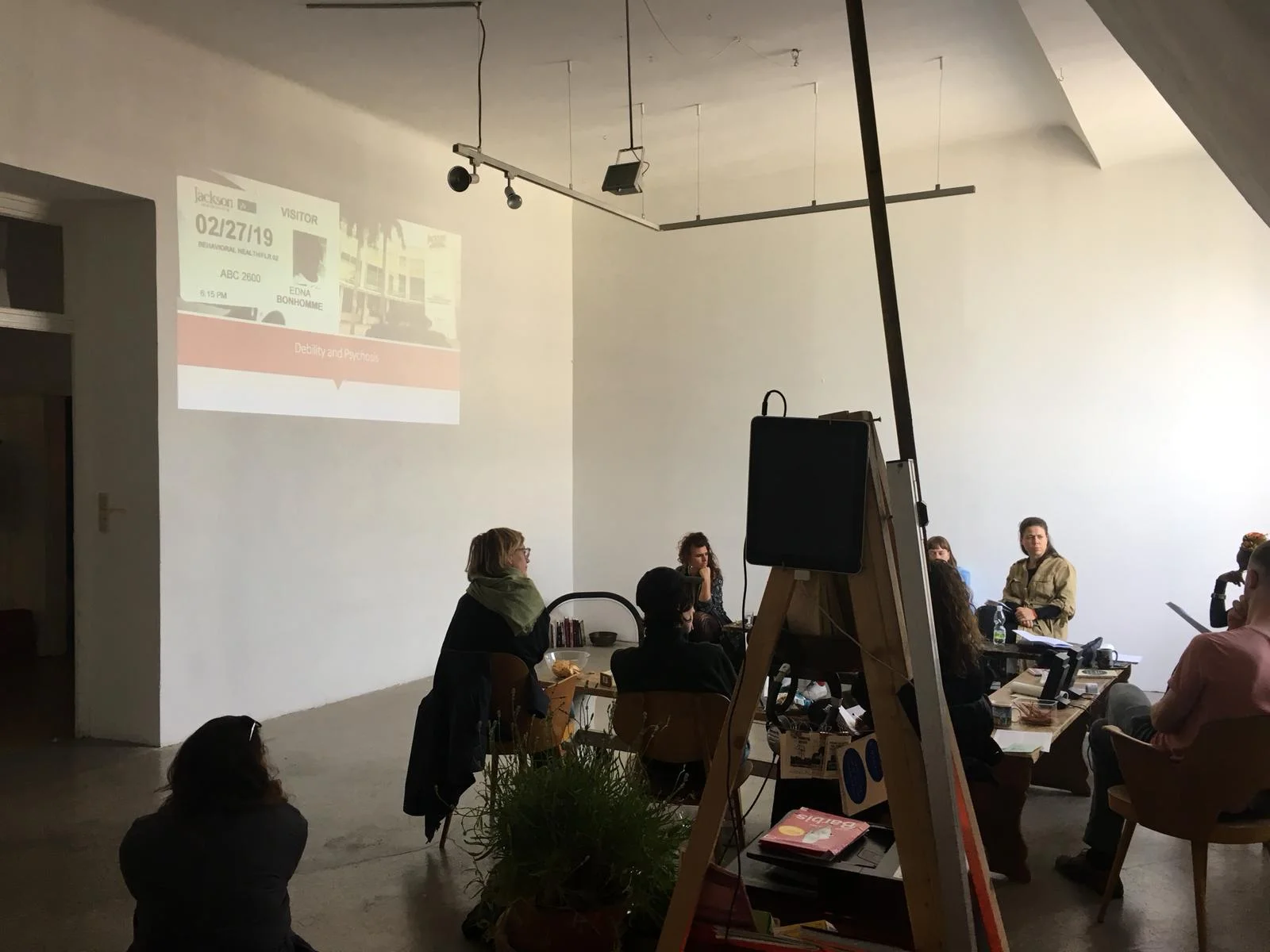
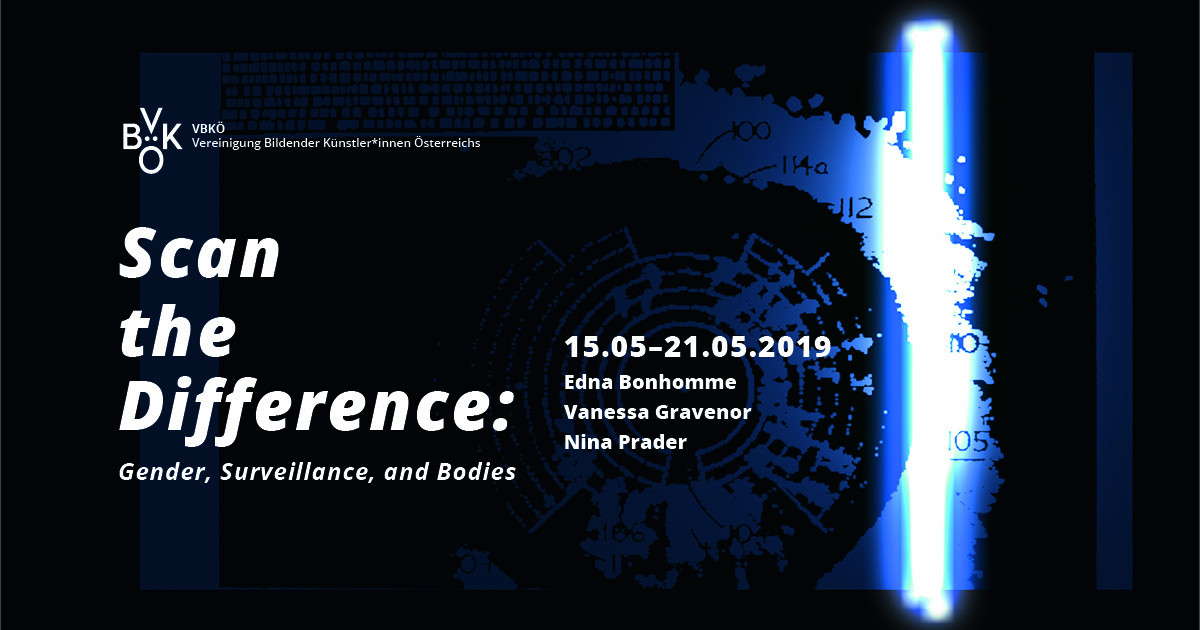
Today, I gave a talk for the co-curated exhibition, Scan the Difference on Medical Apartheid, Biomedicine and Afrofuturism. Here is the abstract and highlights from the talk.

fadf8af8-c087-42fa-a3de-d2ba3b3ab899.JPG

Technological tools, albeit drones or spyware, are part and parcel of monitoring and circumscribing people’s everyday actions—including their movements, their thoughts, and their plans. Beyond that, surveillance creates racial subjectivities that are often intertwined with historical and political regimes. Within and beyond the United States Empire, Arab and Black people have been targets of surveillance, though for different reasons, under policing systems and military occupation. How do emergent technologies and surveillance dictate and engender health and illness? To what extent does global apartheid and postcolonial border regimes influence morbidity and mortality for womxn*? What types of medical knowledge gets remembered and whose deaths are worth mourning? In this workshop, we will interrogate cyborgs, therapeutics, and memory through one case study of medical apartheid, one biomedical record, and one Afrofuturist manifesto (as constructed by Dr. Bonhomme). We will work through archival practices and silences and see how they feature into fictive, tangible and narrative structures from a Black radical feminist and anti-colonial alens. This interactive seminar will provide a historical interrogation of surveillance along racial and ethnic lines especially as it is instrumentalized for womxn* and non-elite bodies. We will consider how former Black womxn* slaves, pro-choice activists, Black theorists, poets, filmmakers, and the subaltern created their own medical landscape within the backdrop of technoscience. The power and ethics of knowing is not only shaped by what we have inherited but by what we can create. So, we will consider how science fiction has the possibility of providing voice to womxn* who have lived under tyranny and occupation especially as they delve into constructing egalitarian societies or cosmic battles where engendered and racialized subjects can create their own radical feminist future.

*=the asterisk is meant to include transgender people, gender non-conforming people, and intersex people

36d94a96-88b5-4760-9da0-bbf28914411e.JPG

Ottoman History Podcast

Please check out the latest Ottoman History Podcast where I interview Professor Jennifer Derr from the University of California, Santa Cruz.

Nile-River-Facts-Image-2.jpg

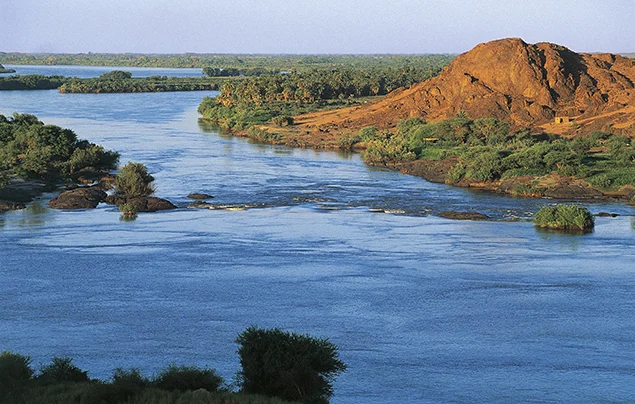
Abstract: Colonialism and violence are frequently paired in studies of the modern Middle East, but environment and violence are less commonly paired. But in this episode, Jennifer Derr explains the indelible connection between the two in a conversation about her recent monograph The Lived Nile: Environment, Disease, and Material Colonial Economy in Egypt. According to Derr, the transformation of Egypt's economy under British rule was experienced as a form of violence for ordinary Egyptians. "The violence of colonial economy and specifically colonial labor was made manifest on the bodies of laborers." In our conversation, we explore the transformation of the Nile and its environment under colonialism and consider how these transformations changed the nature of disease in the region with damaging consequences for the workers in intimate contact with the new nature of the Nile.

Upcoming Talk: Gender. Class. Crisis. Perspektiven und Fragen feministisch-intersektionaler Klassenpolitik

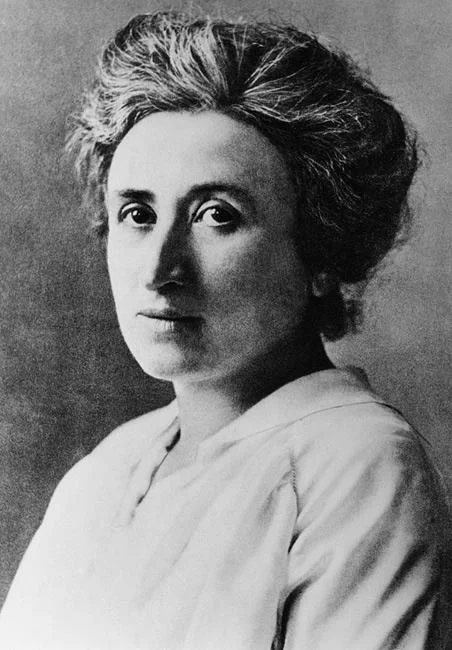
I'll be speaking on a panel tomorrow in an East German village about Black Feminism. The talk is entitled: "»Ain’t I a Woman*? Schwarze feministische Kritik, De-Kolonisierung des Feminismus und Kapitalismuskritik.” The Spring Academy is sponsored by BdWi and the Rosa Luxemburg Foundaiton in Werftpfuhl from Friday, March 29 until Sunday, 31 March.

23ced9f25ffb82d9dd4e824073bcabc4.jpg

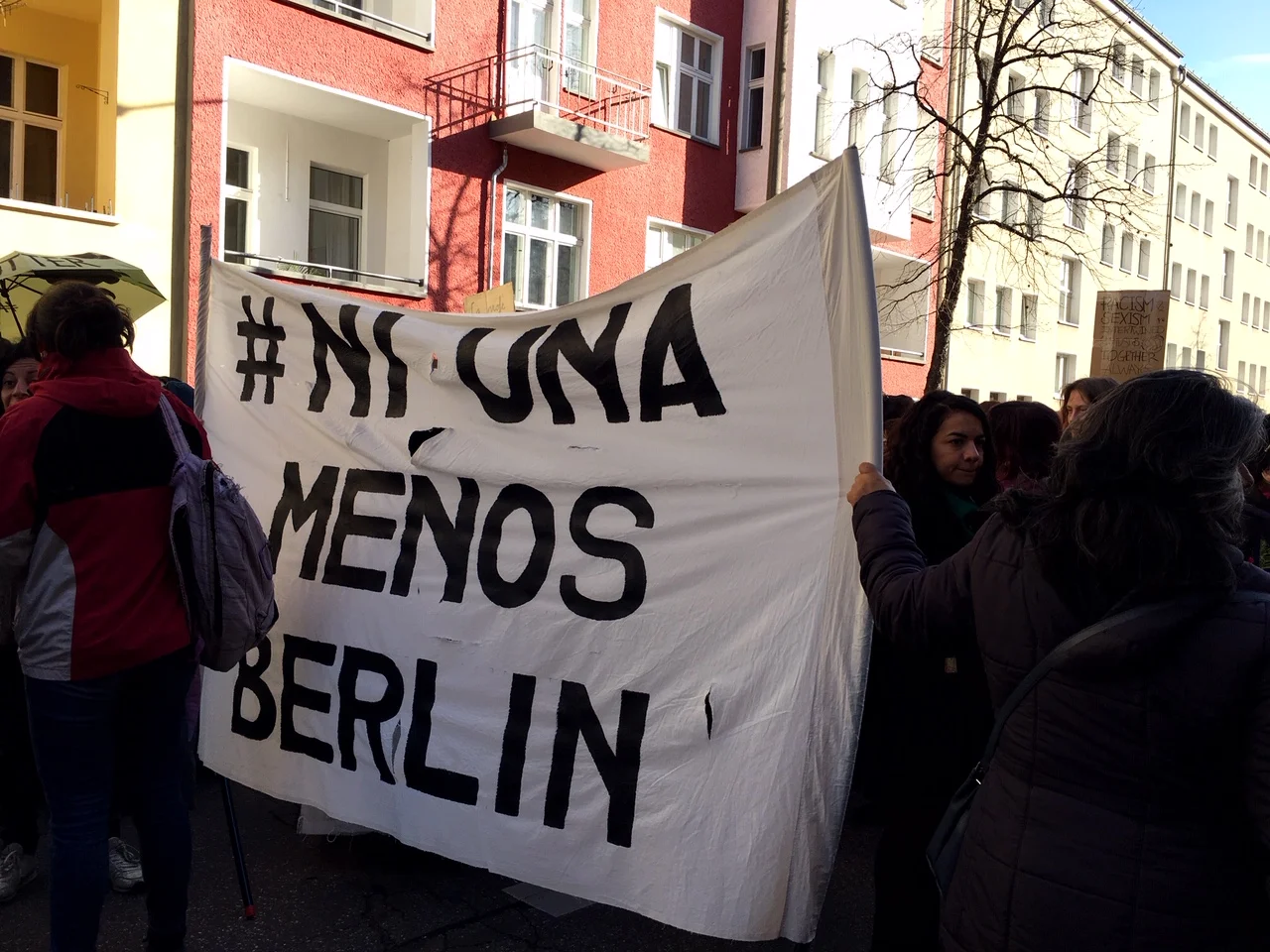
We want to discuss left alternatives to challenge neo-fascist and far right politics by turning to feminist or women led movements such as women's strikes, #MeToo, "Ni Una Menos", Black lives matter many of which are directed against multiple violent relationships, they are politically plural and have a heterogeneous social base. 

We will collectively discuss intersectional forms of politics and organization, struggles for social reproduction and against racism, queer / trans * feminist, intersectional perspectives on precarity and class. Hopefully we can create the seeds to develop a politics of solidarity that is multiethnic, multiracial and grounded int eh working class.

Conference details are here: https://www.bdwi.de/termine/event_29712.html and

FB details here: https://www.facebook.com/events/1985901788189476/

Frauen* Streik in Germany

Edna Bonhomme

Frauen* Streik in Germany


“All women, whatever be their position, should demand political equality as a means of a freer life, and one calculated to yield rich blessings to society.”

-Clara Zetkin


IMG_7911.JPG

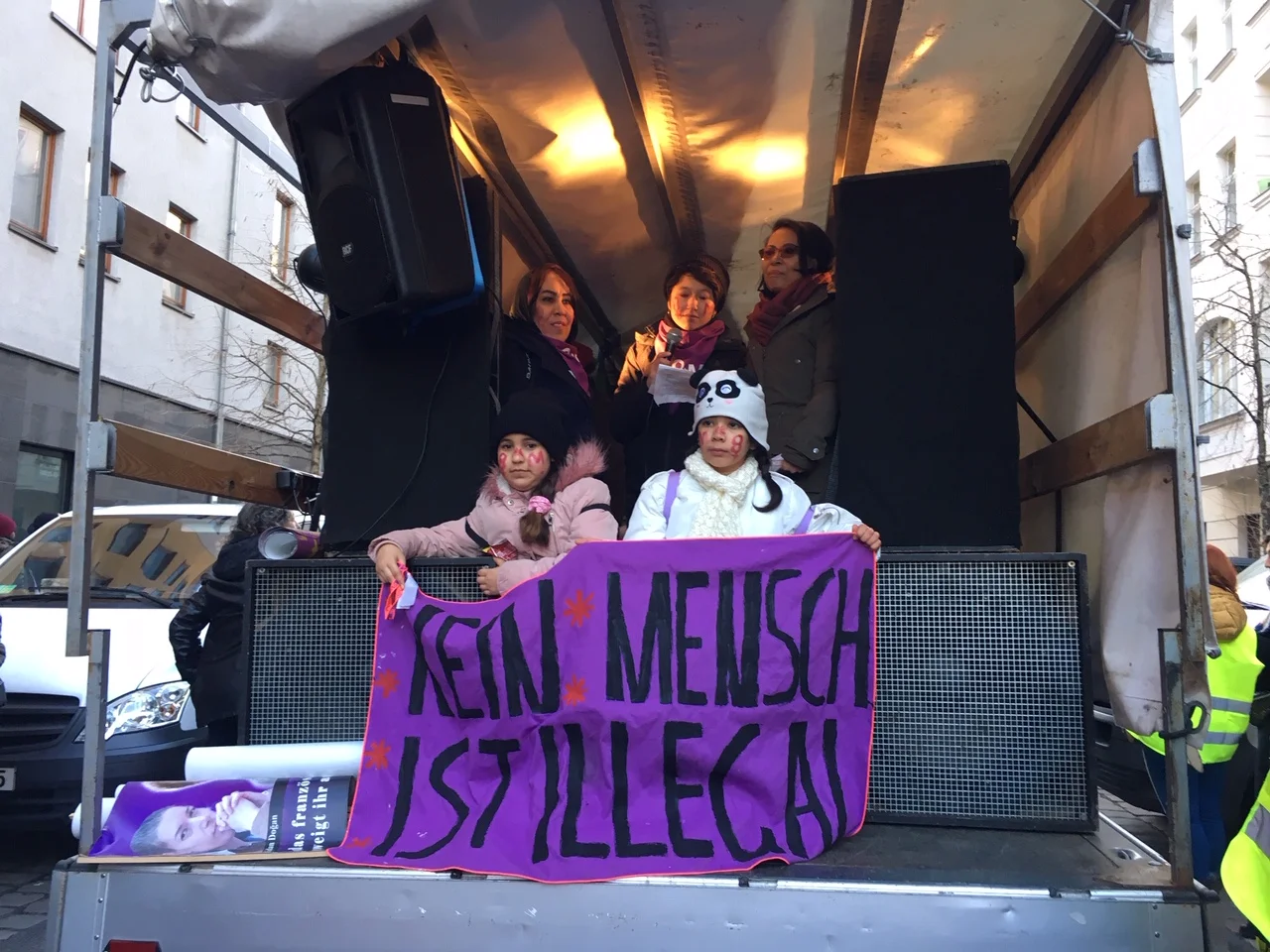
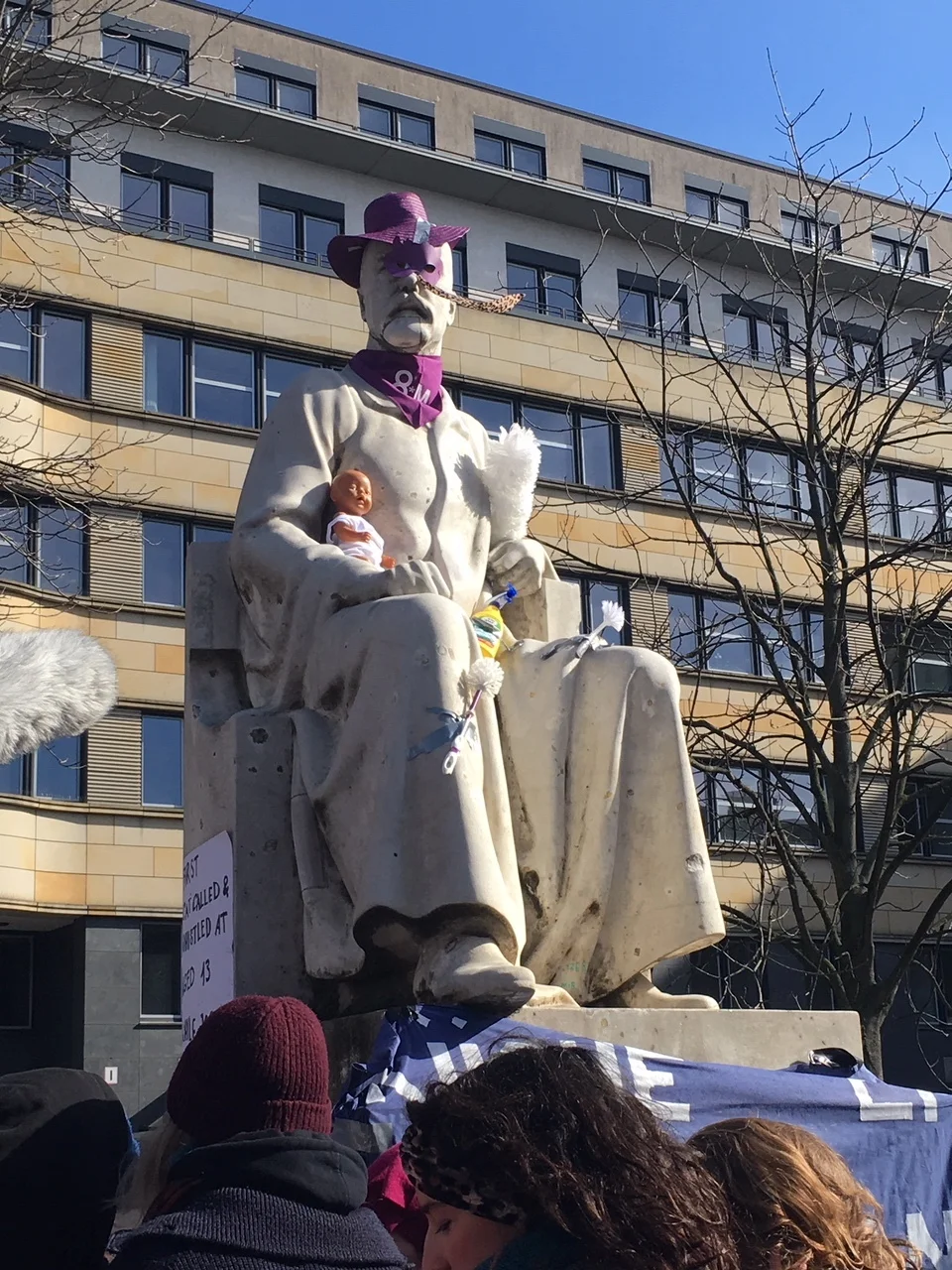
Over 100 years after German socialist Clar aZetkin proposed an International Woman’s Day (IWD) at the International Conference for Socialist Women, over 25,000 people demonstrated for Frauen* Streik in Berlin, Germany. Women at the turn of the nineteenth century and women living in the twenty-first century, organised themselves through various strike actions on the 8th of March for simple demands--to live in a world where they can be more free. This year marked the first time that March 8th was a public holiday in Berlin and the political acuity of the events reverberated from daybreak strike actions for health workers to nightfall solidarity parties throughout the city.


Thousands of transgender, intersex people, gender non-binary individuals, and womxn also marched throughout German cities such as  Leipzig, Hamburg, and Göttingen. The wave of activities speaks volumes to the growing economic and social frustrations that women of various backgrounds have been facing in Germany and internationally. Protestors linked the day’s activities to their struggle for abortion rights, their opposition to gender based violence, and their conflicts at the workplace.  When asked why she was participating in 8th of march demonstrations, Ruth a thirty-three year old hostel worker responded, “I think my boss is a sexist.” In Germany, political equality are driving forces and the increased participation of migrants and people of colour proclaiming, “no one is illegal” has also politicized the character and composition of IWD opening up room to challenging European and North American imperialism.

IMG_7927.JPG

Leading up to 8th of March, feminists and queer activists throughout Germany formed a national network and two national conferences (in Göttingen and Berlin) planting the seeds for a new international feminist movement. These initiatives were part of an effort to deepen and integrate the autonomous leftist, pro-choice, and anti-racist networks into a growing feminist movement. The radical character of IWD was not unique to Germany but was  part of a thriving international women’s strike movement in several dozen countries including Argentina, Chile, Ireland, Mexico, Spain, and the United States. Not only were people pointing to the productive capacities of womxn’s labour, IWD activists sought to make links to ongoing strike campaigns, environmental initiatives, and immigration issues in Germany.


The strike actions were preceded by a set of events earlier that week, mostly concerning fair wages and precarity in Germany. For one, women editors at neues Deutschland, a leftist German newspaper, went on strike on 7 March leaving blank columns to show the power of their labour. Moreover, this action not only highlighted the wage disparity between men and women in journalism, i.e., which is approximately 21%, but it also called for comprehensive transparency of salary for permanent and freelance journalists.


Abortion rights has also featured into pre-IWD actions with 200 pro-choice activists gathering outside the Ministry of  Public Health to oppose Article 218 and article 219a on 7 March. These Nazi-holdover German decrees define abortion as murder and prohibit physicians from advertising abortions in Germany. The day before International women’s day 300 activities gathered outside of the Ministry of Public Health outside calling to end these oppressive policies. The basis of the resurgent movement weg 218/219a echos what women and queer people have been fighting for globally, to have control and autonomy over their bodies.


Strike actions were not merely symbolic but they were articulated by a number of workers who are embedded in current labour struggles in Germany. At 6am, Frauen* Strike activists showed their support for physical therapists who have been leading at 4 week strike at Charité, the largest public health institution in Berlin. As one health worker from that campaign indicated, “when women stop working, the world stands still.” Childcare workers who went on strike earlier in 2019 also gathered at noon for a 400 person strong sit-in at Robert Koch Platz in Berlin. Katrina, a thirty one year old kindergarten teacher spoke about their strike why how their were fighting for justice for “parents, students, and teachers.” The campaign continues because they have initiated a campaign for fair wages for cleaners at her workplace.  

IMG_7894.JPG


Moreover, an Internationalist Alliance contingent of mostly women, transgender, and intersex people gathered outside of Justizvollzugsanstalt für Frauen Berlin, the women’s prison in the the former East Berlin. This action was an effort to be in solidarity with incarcerated women, who were, in part, because of the imprisoned because of self-defense from gender based violence.  The international block of protestors further articulated their rage with a Global Scream which captured the internalized frustration of the demonstrators but it also allowed the collective voice of women were made bare. Activists also made sure to honour the socialist-feminist foremothers who helped to shaped early twentieth century feminism. For example, members of the Die Linke (Left Party) placed a rose for Clara Zetkin.


The actions on 8 March gestured towards the feminist history and the feminist futures. Hundreds of teenagers who were part of Fridays for Future, a global student led initiative that wants to make governments accountable to the climate protection, as outlined by the 2015 Paris agreements. It is no accident that these climate justice teach-ins and strike actions are led by young women who see the fight for the environment as a feminist issue.


Solidarity was a central feature of the Berlin IWD action and the assortment of strategies expresses the vivacity of the new feminist movement in Germany. At the same time, the political test over the coming years is to broaden the demands so as to challenge Germany’s growing far right movement, the ongoing xenophobia in Europe, and to address the gendered aspect of the global economic crisis. As a new generation of feminists and queers are building a movement that speaks to the concerns of labour, migration, health, and incarceration this feminism will have to reckon with intersectional, unapologetic and nuanced initiatives that can reformulate a feminism for the 99%.


Note: Frauen*-the asterik is used to include women, transgender people, intersex people, and gender non-conforming people


Power in Medicine, A worshop interrogating the history of medicine in the Middle East

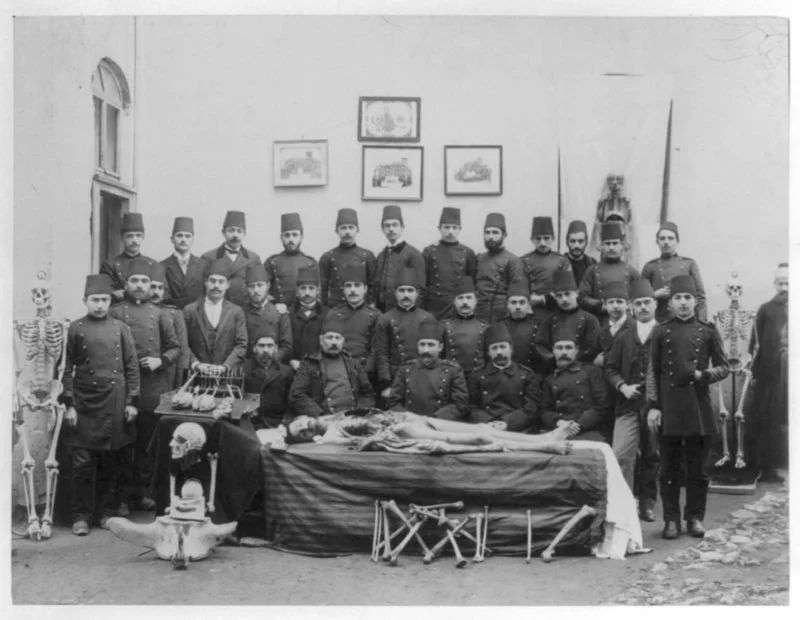
As some of you may know, I am a Marxist Herstorian (and also GEW union member) who has been researching and writing about medical and scientific practices in North Africa from the eighteenth century to the present. I am co-organising a workshop entitled “Power in Medicine: Interrogating the Place of Medical Knowledge in the Modern Middle East” which will take place in Berlin 11-12 April 2019. My co-organisers, Dr. Shehab Ismail and Dr. Lamia Moghnieh and I wanted to examine the history and politics of medicine and psychiatry in the Middle East from the 1800s until the contemporary period so we are bringing together scholars from the Middle East, North Africa, North America, and Europe together to discuss recent trends in the field.

Figure. Medical school in 19th-century Ottoman Empire

Figure. Medical school in 19th-century Ottoman Empire

You can listen to an interview I did with Professor Jennifer Derr (University of California, Santa Cruz), one of the participants of the workshop, about her upcoming research project on the history of Hepatitis and the liver in Egypt. The recording is available on Soundcloud. If you are interested in finding out more about us, you can check out our bios here.